The Ghost Feature Trap: Why Your AI Startup is Losing Deals
You think you’re losing on functionality. You’re actually losing on conviction. This is why "one more feature" is the fastest way to kill your SaaS runway.
Listen.
You’re in the room. The board is looking at you. The runway is getting shorter.
You just lost the Enterprise deal. The one that was supposed to save the quarter.
You tell the board why. You say: “They needed the SOC2 integration.” Or: “They wanted the custom API hooks.” Or the big one: “Our AI isn’t as fast as the incumbent’s.”
You’re lying.
You’re lying to them, and you’re lying to yourself.
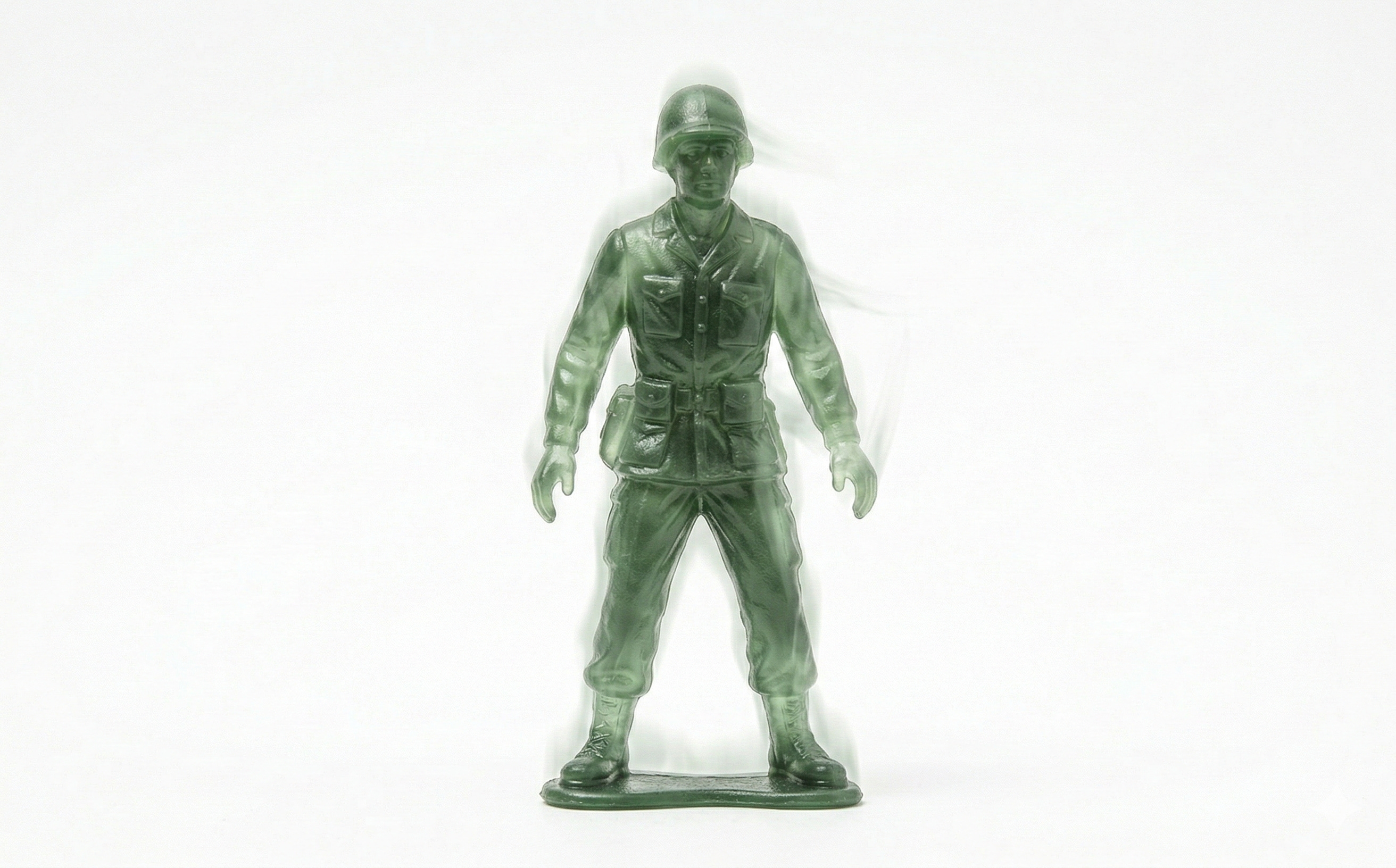
They didn’t buy because of a missing feature. They didn’t buy because you didn’t give them a reason to move. You’re chasing a Ghost Feature.
1. What is a Ghost Feature?
A Ghost Feature is the requirement a prospect gives you to avoid saying “No.”
It’s the “if only you had X” that keeps you in a development loop for three months, only for the prospect to vanish once the feature is shipped.
In the world of SaaS GTM, the Ghost Feature is the ultimate distraction. It makes you feel like you’re “iterating.” In reality, you’re just a vendor taking orders from people who have no intention of buying.
2. The AI Commodity Suicide Mission
In 2026, AI features are a commodity. They are free. They are air.
If your “moat” is a faster LLM or a prettier dashboard, you don’t have a moat. You have a target on your back. You’re playing the incumbent’s game on the incumbent’s terms. When you chase a Ghost Feature, you aren’t building a product; you are surrendering to a market narrative that says “more is better.” It’s a lie, and it’s a lie that will bankrupt you.
Founders think “Product-Market Fit” is a checklist.
Does it have a chat interface? Check.
Does it summarize PDFs? Check.
Does it save five minutes a day? Check.
Nobody cares about your checkmarks.
People don’t buy “better.” They buy “different.” They buy a side in a fight. If you aren’t using Category Design to define that fight, you’re just another wrapper waiting to be replaced.
3. The Cost of Inaction vs. Feature Parity
When a prospect tells you “No,” they aren’t saying your product is bad. They are saying the pain of staying where they are is less than the pain of switching to you.
Your prospect is currently stuck. They are blinded by the industry standard and the belief that “good enough” is a viable strategy. Your job isn’t to give them more buttons to push. Your job is to rescue them.
You think you need to build more stuff. You don’t. You need to define the Cost of Inaction.
You haven’t shown them the blood on the floor if they don’t change. You haven’t triggered the 7 Pains that make a purchase mandatory.
4. The Brand is the Backbone
I’ve seen this movie before.
A company builds a Ferrari engine. They put it in a lawnmower body. Then they wonder why they can’t win at Le Mans.
Your brand isn’t a logo. It isn’t a font.
Your brand is your War Cry.
If you aren’t making someone angry, you aren’t relevant. If you aren’t defining the “New Problem,” you’re just a cheaper version of the “Old Solution.”
Stop building buttons. Start building a backbone. Follow the Laws of the brand war or get out of the way.
The market doesn’t need another feature. It needs a leader.
Are you leading, or are you just taking up space?
The Tactical Audit
Your GTM is stalling. You think it’s the product. It’s not. It’s the story.
I’m taking on two AI/SaaS firms this month for a Strategic Positioning Audit. No fluff. No 50-page slide decks. Just a combat manual for your category.
If you’re ready to stop chasing Ghost Features and start winning the brand war:
Apply for a Tactical Audit here
Win the War. Or get out of the way.